


The frenzied pace of South Florida’s pandemic-era real estate market has given way to something more measured. Across Palm Beach County, buyers are negotiating again, sellers are adjusting expectations, and the market is settling into a rhythm that feels, to those who have been around long enough, more like business as usual than a slowdown.
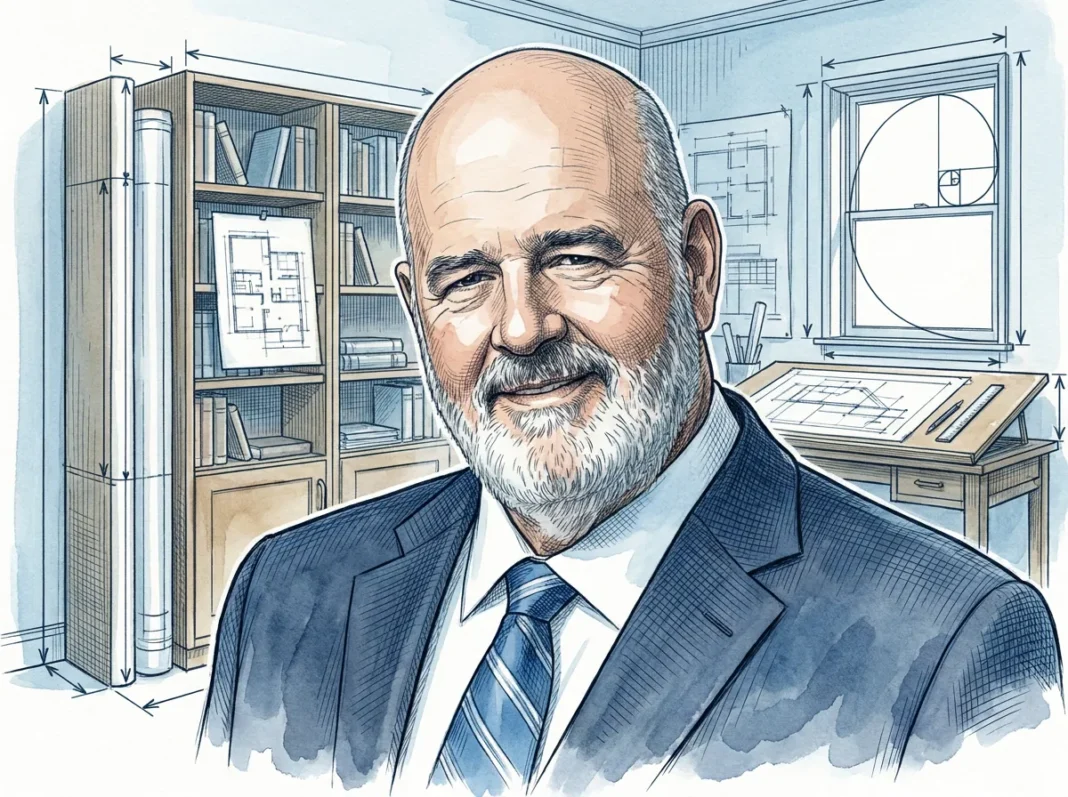
Timothy Quinn, Broker and Owner of Free Find Realty Inc., has watched Palm Beach County evolve through multiple cycles over more than three decades. His firm, which started as a rental-focused operation in the 1990s before expanding into residential sales, now concentrates on the western reaches of the county, particularly the acreage communities around Loxahatchee. That ground-level perspective offers a useful lens on what is actually happening in a market that often generates more headlines than clarity.
A Market Recalibrating, Not Collapsing
The shift in tone since the peak of the pandemic buying frenzy is real, but Quinn is careful not to overdramatize it. During the peak years, a home listed at $300,000 might attract competitive offers at $325,000. Today, that same home might draw an offer closer to $275,000. The direction has reversed, and sellers who missed the window are now confronting that reality.
“People waited, and the problem is they want the same prices as a year ago, a year and a half ago, and you can’t get that,” Quinn says. Taking a $50,000 or $60,000 reduction on a $500,000 home is difficult for sellers who watched their neighbors close at higher prices two years ago.
That gap between seller expectations and current buyer appetite is one of the defining features of the market right now. Sellers who are motivated are becoming more flexible, particularly after inspections surface issues that give buyers leverage. Quinn describes situations where buyers, already emotionally attached to a property, use post-inspection findings to negotiate concessions rather than walk away. Sellers often accept, reasoning that the next buyer will discover the same problems.
Where the Friction Is Showing Up
Not all property types are navigating this adjustment equally. Condominiums face a specific set of pressures that single-family homes largely avoid. Rising insurance costs have pushed condo association fees higher across the county, making those units harder to move. “Condos aren’t selling as well as houses,” Quinn notes. “The single-family home that doesn’t have an HOA or anything is easier to sell.”
This pressure is playing out across much of Florida in the wake of new legislation requiring older condo buildings to complete structural inspections and build up reserve funds – costs that are being passed along to owners through higher fees. For buyers already stretching to afford South Florida prices, an additional monthly obligation of several hundred dollars can be a deal-breaker.
Foreclosures, which were effectively absent during the pandemic years when demand absorbed nearly everything on the market, are beginning to reappear. Quinn attributes this to a mix of factors: buyers who overextended, life changes like divorce, and some transplants who found Florida’s climate less appealing than anticipated. “They move down here from New York and then they want the seasons back again,” he says.
The Western County Opportunity
While Palm Beach Island and the waterfront communities along the coast attract the most attention, the western part of the county operates on a different logic entirely.
Loxahatchee and the surrounding acreage communities attract a client base that is largely blue-collar business owners – contractors, landscapers, electricians, and tradespeople who need space to park equipment and run operations from home. Properties of an acre or more, with few or no deed restrictions, give these buyers the flexibility they need. “There’s no restrictions, so they have mud buggies, and they watch out for their neighbors,” Quinn says. “It’s a really nice place.”
Further west, Wellington represents a different kind of wealth. The equestrian community there draws international buyers, particularly from South America, who prioritize barn quality over house quality. “I have people come out there and they don’t want to look at the house. They want to look at the barn first,” Quinn says. “If it’s nice, that sells the house.”
The Winter Equestrian Festival, which draws competitors and spectators from around the world each season, continues to fuel demand in Wellington. Quinn points to this as one of the more durable demand drivers in the county – one that operates somewhat independently of broader market conditions.
Where Investors Should Be Looking
For those considering deploying capital into Palm Beach County, Quinn’s recommendation is direct: look at land, particularly five- to ten-acre parcels in the western part of the county. “Land keeps going up because people keep coming out here,” he says. “If I was to start over again, that’s where I would go. Wellington.”
The reasoning is straightforward. Population growth into the region continues, developable land with acreage is finite, and the equestrian economy provides a demand floor that is not purely dependent on residential trends.
Seasonal Rhythms and the Buyer Mix
Beyond property type and location, timing plays a significant role in how the Palm Beach market functions. Summer brings families relocating between school years, often driven by school district preferences within the county. Fall and winter see the return of snowbirds, many of whom are shopping for condos as a first step toward eventual permanent relocation.
“Every different part of the year has a different kind of client coming here,” Quinn observes. Domestic migration, particularly from the Northeast and California, remains the primary driver and shows little sign of reversing.
The Hidden Costs of Florida Living
One consistent theme in Quinn’s conversations with buyers – particularly those coming from out of state – is the gap between the sticker price of a property and the true cost of ownership. Waterfront condos that look affordable on paper can carry maintenance fees of $2,000 or more per month. Florida’s weather is hard on structures, and deferred maintenance compounds quickly.
“It’s just not buying the house,” Quinn says. “You’ve got to maintain it, and down in Florida, maintenance is rough. You’ve got to keep on top of the house all the time.”
For buyers accustomed to markets where carrying costs are more predictable, this is often the adjustment that requires the most guidance. It is also one of the clearest ways a knowledgeable local broker earns their value – not just in finding the property, but in making sure the full picture is understood before the contract is signed.
As Palm Beach County moves through 2025, the market appears to be settling into a more sustainable pace after years of unusual activity. Prices have softened from their peaks, but demand remains supported by continued in-migration, a diverse economic base, and lifestyle appeal that does not fade with a rate cycle. For buyers and investors willing to do the homework, the current environment offers something the pandemic years largely did not: time to think.
About the Expert: Timothy Quinn is Broker and Owner of Free Find Realty Inc. in Palm Beach County, Florida, with more than three decades of experience in the local market. His firm focuses on the western reaches of Palm Beach County, particularly the acreage communities around Loxahatchee and the equestrian community of Wellington.
This article is based on information provided by the expert source cited above. It is intended for general informational purposes only and does not constitute legal, financial, or real estate advice. Readers should conduct their own research and consult qualified professionals before making any real estate or financial decisions.