
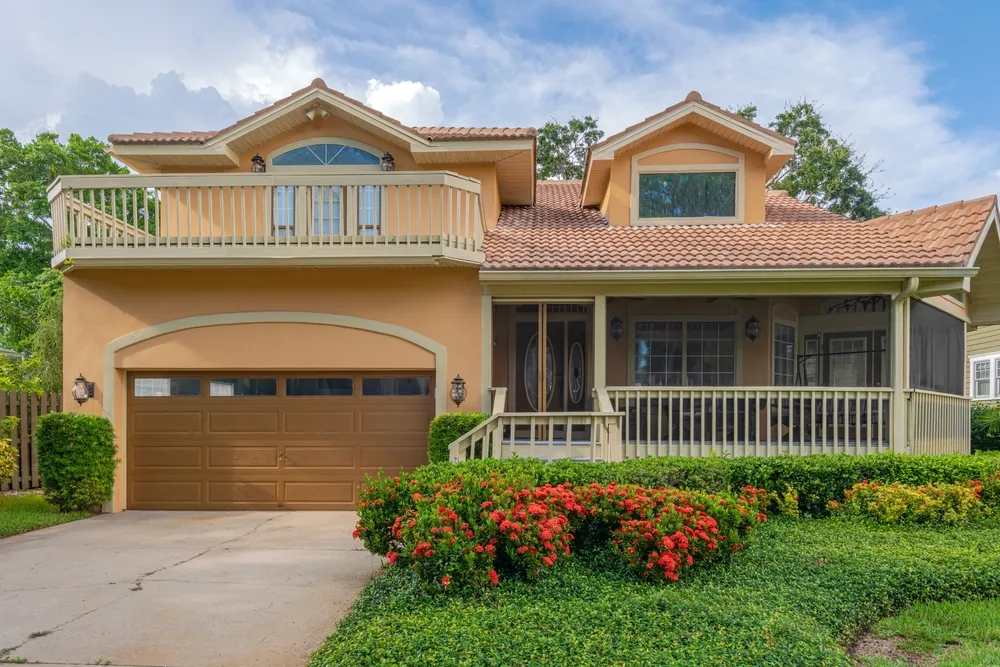


A sharp split is changing buyer behavior in Southwest Florida. Mortgage-dependent buyers are largely sidelined, while cash buyers control the upper end of the market.
That gap between headline stability and buyer experience isn’t incidental. It traces directly to how each price tier depends on financing. The sections below break down where the market is functioning normally and where it’s quietly stalling.
Two Markets, One Roof
On the surface, the Naples real estate market looks stable. Sterling Desorcy, a Realtor and appraiser covering Collier and Lee counties, says median prices for single-family homes between $250,000 and $400,000 have stayed roughly flat year over year. The $400,000 to $700,000 segment has seen only modest gains. But that headline stability hides a significant divide.
Homes priced at $750,000 and above sell quickly, primarily to cash buyers. The mid-market is a different story. Homes in the $350,000 to $600,000 range, where buyers typically require financing, are sitting longer and moving more slowly. The cause, Desorcy says, is straightforward: the 30-year mortgage rate.
“Those houses are sitting longer and they’re taking longer to sell because people don’t want to pay a 7% 30-year mortgage rate – and you can’t blame them,” he says.
This split is especially visible in Naples because of its unusually high share of cash transactions. Desorcy estimates that 50 to 60 percent of Naples sales are all-cash. That share insulates the upper end of the market from rate sensitivity in a way most U.S. markets cannot match. As a result, the local market looks healthier overall than it actually is for buyers who need financing.
Mortgage Trap for Buyers
The buyers most affected are not first-time purchasers. In many cases, they are retirees relocating from northern states. These buyers plan to sell their current home and use the proceeds to buy in Naples, but if they aren’t paying in cash, they’re left taking out a mortgage at today’s rates.
“When you have a retiree up north, they want to sell their house, they come down here, and if they’re not paying cash, they have to get a mortgage,” Desorcy says. “Who wants a 7% mortgage right now?”
For these buyers, selling in a cooling northern market, paying transaction costs, and then taking on a 7% mortgage in high-cost Florida can make the move financially unwise. Desorcy says this combination is slowing the mid-market segment. Sellers are holding firm on price, while buyers are holding back from committing.
The standoff shows up in days-on-market data, which Desorcy says is rising. Even so, sellers in Naples have largely resisted cutting prices. As an example, he points to a home next door to his own that has been listed for about nine months without a price cut. The seller, he says, simply refuses to lower the price. This pattern, repeated across the mid-market, is creating a growing pool of homes that are technically for sale but not actually moving.
Rate Windows, Brief Opportunities
Desorcy argues that the rate-driven slowdown isn’t permanent. Short-term shifts in interest rates, even modest ones lasting just 30 to 60 days, can temporarily bring sidelined buyers back into the market. Agents and sellers who act quickly during those windows can close deals that others miss.
Desorcy encourages agents and investors to track bond market indicators, particularly the TLT, a long-duration Treasury ETF, as a way to anticipate near-term rate movement. When that data points to a brief dip in rates, Desorcy says the right move is to price a property to capture that window, rather than holding out for a higher number that may never come.
For mid-market sellers, timing and pricing strategy now matter more than they did when rates were lower and buyer pools were deeper. A seller who prices slightly below their target during a rate dip may close a deal that a neighbor holding firm won’t see for another six months.
Desorcy distinguishes between sellers who want to sell and sellers who need to sell. He argues the advice for each group should be different. For a seller with a hard timeline, waiting for the market to turn isn’t a strategy. It’s a risk.
Pricing for Today’s Market
Desorcy’s appraisal work gives him a constant read on where deals are actually closing, versus where they’re being listed. As an appraiser, he reviews 30 to 50 contracts a month, a volume that shows him the real-time gap between asking prices and closing prices, especially in today’s mid-market.
He says the most useful thing an agent can do for a mid-market seller right now is be honest about the financing environment. That means building a pricing strategy around current conditions, not around comparable sales that may reflect a more favorable rate climate.
“If you price your house accordingly, there might be that buyer out there that’s saying, okay, I’m going to grab this while I can,” Desorcy says. “And then interest rates move right back up – and all of a sudden the rest of the sellers are sitting out there saying, well, how come that house sold and mine’s still sitting here?”
The answer, he says, is that the agent who closed the deal was paying attention to rate conditions and pricing accordingly. That agent wasn’t relying solely on past comparable sales that reflected a different borrowing environment.
As long as 30-year mortgage rates stay near 7%, mid-market homes in Naples that require financing will keep competing at a disadvantage against the cash-driven upper tier. Sellers who adjust pricing to current rate conditions are more likely to close. Those holding out for prices set in a lower-rate environment risk joining the growing pool of listings that aren’t moving.
About the Expert: Sterling Desorcy is a Realtor and real estate appraiser at Sterling Properties of SW FL, covering Collier and Lee counties, Florida, with a 25-year background as a supply-and-demand analyst on Wall Street.
This article is intended for informational purposes only and does not constitute legal, financial, or investment advice. The views and opinions expressed herein reflect those of the individuals quoted and do not represent an endorsement of any company, product, or service mentioned. Readers should conduct their own due diligence and consult qualified professionals before making any investment decisions.