
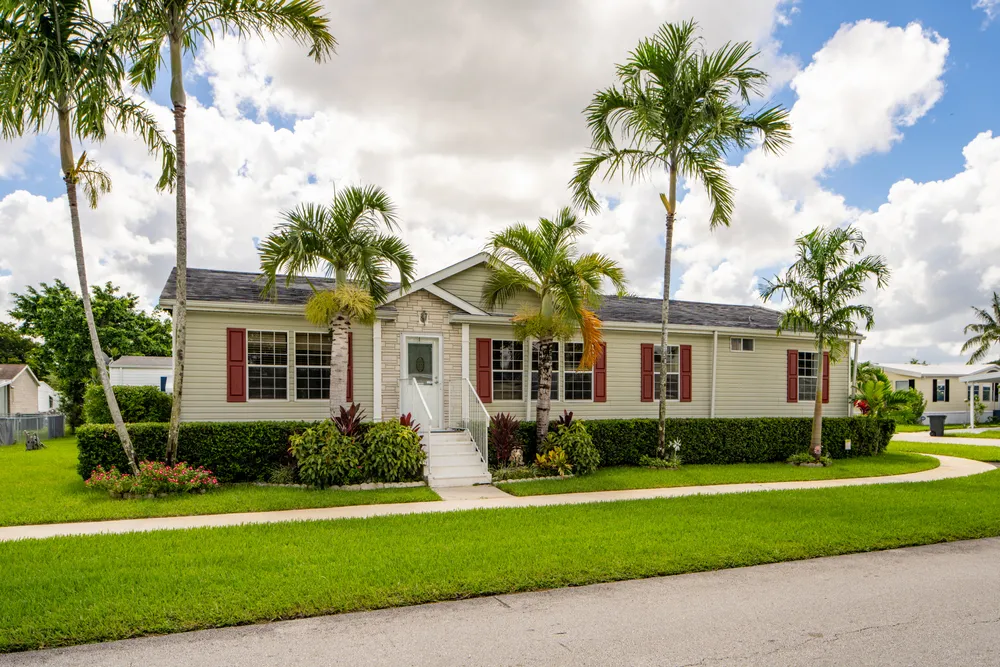


On the outskirts of Orlando, Florida, rows of manufactured homes sit tucked into 55-plus communities shaded by palms and live oaks. The homes look tidy. Some have been gutted and rebuilt inside – granite countertops, new appliances, fresh finishes that bear no resemblance to the word most buyers still reach for: trailer.
JoAnne Gauthier is a broker with Four Star Homes, Inc., which specializes in manufactured home communities across Central Florida. She has watched buyers eliminate these properties from consideration before ever stepping inside – spooked by two persistent beliefs: that manufactured homes blow away in hurricanes, and that they lose value the way cars do. In a region where conventional homes under $500,000 are scarce, and rents have climbed to $2,500 or more per month, she argues that both assumptions are costing buyers real options.
The gap between those assumptions and current reality, she says, has quietly grown wide. Florida recently spent nearly $20 million upgrading the structural anchoring systems beneath manufactured homes across the state. Investors have been buying and renovating older units for years. But most buyers never hear about any of it.
A Quiet State Upgrade
Florida recently distributed nearly $20 million in grants to bring manufactured homes across the state up to current structural code – at no cost to homeowners. Despite its scale, the program received little public attention.
According to Gauthier, contractors inspected and upgraded the systems that hold manufactured homes to the ground – steel straps attached to steel tubing driven 10 feet into the earth. Under the current Florida code, these straps are required every 5 feet along the edges of the home to keep it secure in high winds. “Unless you’re hit with a tornado, these aren’t going anywhere – they’re not just blowing away,” Gauthier says.
What Investors Know Already
Safety concerns are not the only misconception holding buyers back. Gauthier identifies a second persistent barrier: the assumption that manufactured homes lose value over time like vehicles and cannot hold their worth after renovation. She says this leads buyers to dismiss properties that have been substantially updated and are selling at prices that reflect their renovated state.
Investor activity in the market tells a different story. In the community where Gauthier both lives and works, the oldest homes date to 1980. Rather than sitting as deteriorating properties, many have been gutted and fully renovated by investors who recognized the value of the home itself. Renovated interiors – granite countertops, new appliances, updated finishes – are indistinguishable from conventional housing to most buyers. “You wouldn’t even be able to tell they’re manufactured homes when you walk inside,” Gauthier says.
The catch is that Florida’s vehicle-style title system does not update to reflect renovations. A home built in 1981 and fully renovated in 2022 is still recorded as a 1981 home, which affects insurance pricing. Florida insurers use the home’s year of construction as a pricing factor, meaning a fully updated home may carry higher insurance costs than its condition would otherwise warrant. This is a structural problem the industry has not resolved.
Words Drive Buyer Decisions
Language also plays a measurable role in how buyers approach this housing category. The word “trailer” carries associations – impermanence, low quality, vulnerability – that Gauthier says no longer apply to the homes she sells. “It’s really not a trailer, it’s a manufactured home,” she says.
That distinction matters commercially. Buyers who filter out manufactured housing because of the trailer stigma may be eliminating options that meet their needs in every practical dimension – price, safety, community amenities, and maintenance burden. In a market where conventional housing inventory under $500,000 is constrained, and rental costs have reached $2,500 to $3,000 per month in the Orlando area, the cost of that misconception is measurable.
Gauthier’s broader point – that safety standards and renovation quality have outpaced consumer awareness – appears well-founded, given the state’s investment in the tie-down program and the active investor market upgrading older stock.
Closing the Education Gap
For Gauthier, closing sales is only part of the job. She says a significant portion of her conversations with prospective buyers involve correcting assumptions about safety, value, and what these homes actually look like today – the same misconceptions that have kept many buyers from considering them at all.
That education gap has real consequences. Many buyers never hear about the state’s anchoring upgrade program or current code requirements before making decisions. And without that context, the stigma holds – pushing buyers toward higher costs or longer searches when suitable options already exist in their price range.
Whether the broader industry steps up to address this remains to be seen. But as affordability pressure in Florida intensifies, the cost of allowing outdated assumptions to drive purchasing decisions may become harder to ignore. For buyers priced out of traditional homes, understanding what manufactured housing actually offers today – structurally, financially, and aesthetically – could open doors that stigma has kept closed.
About the Expert: JoAnne Gauthier is a broker with Four Star Homes, Inc. in the Orlando area, specializing in manufactured homes in Central Florida’s 55-plus communities for nearly five and a half years. Her background includes a long career in mortgage lending and residential real estate.
This article is intended for informational purposes only and does not constitute legal, financial, or investment advice. The views and opinions expressed herein reflect those of the individuals quoted and do not represent an endorsement of any company, product, or service mentioned. Readers should conduct their own due diligence and consult qualified professionals before making any investment decisions.