
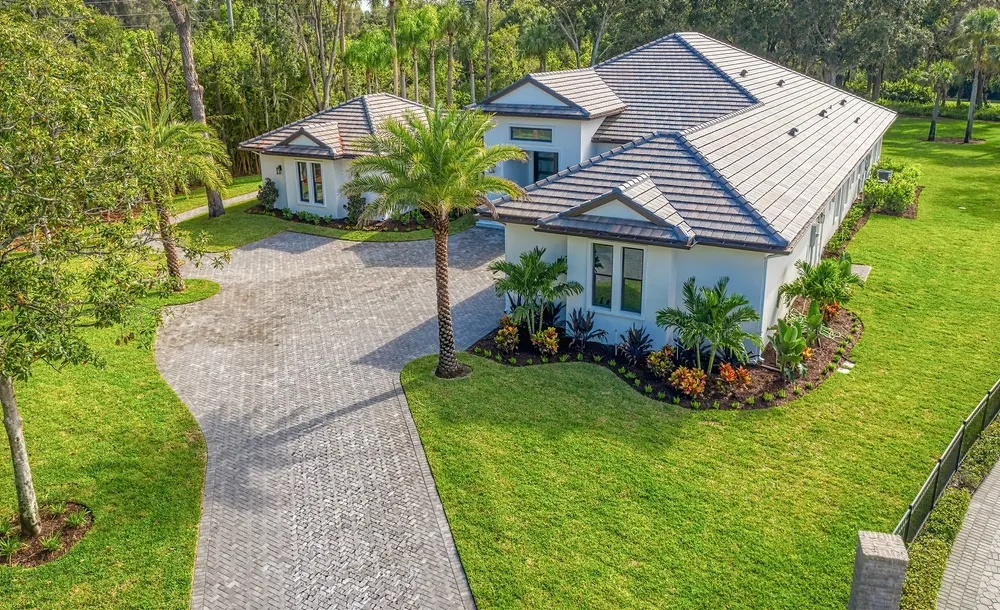


National coverage of Florida’s insurance problems tends to focus on flood zones, hurricane exposure, and carrier exits. But in Tampa Bay, the more persistent obstacle to closing deals is a technical underwriting standard that rarely makes headlines: insurers refusing to cover homes with roofs older than 15 years, according to Ryan Fernandez, a 14-year veteran of the Tampa Bay market with Elevated Realty.
The gap between a roof’s rated lifespan and what insurers will actually cover has become a recurring friction point in transactions. It forces replacement costs onto sellers, stalls negotiations, and steers buyer behavior in ways unrelated to actual storm damage.
“They don’t want to insure a home with a roof that’s over 15 years old,” Fernandez says. “So that has become a very big cost issue with sellers and buyers.”
Roof Age Coverage Gap
A standard asphalt shingle roof carries a 30-year manufacturer rating. But Florida insurers have tightened their standards after repeated hurricane seasons. Many now refuse to write policies on roofs older than 15 years, regardless of condition.
For sellers, this creates an unexpected liability. A homeowner may install a roof expecting it to last 15 more years. But that roof can become uninsurable for a new buyer, forcing a replacement. Sellers who refuse to cover that cost often watch deals collapse during inspection and insurance review.
For buyers, the math is equally unfavorable. Buying a home with a roof near the 15-year mark means inheriting a near-term replacement cost. Most buyers refuse to accept that cost, especially first-time buyers already stretching to afford Tampa Bay’s post-pandemic prices.
“Buyers certainly don’t want to buy something that they’re going to have to put a new roof on immediately,” Fernandez says.
Chronic, Not Cyclical, Problem
The roof age issue differs from the broader insurance anxiety that periodically grips the Florida market because it does not come and go. Fernandez says insurance concerns have been a recurring feature of Tampa Bay throughout his career.
“I feel like insurance has been a topic of conversation since I started,” he says. “People get scared off because the insurance costs are so high, and then it kind of backs down and then they freak out about insurance again.”
The macro-level insurance narrative, including carriers leaving Florida and premiums spiking after major storms, dominates coverage. The transactional friction caused by underwriting standards gets far less attention. Unlike premium costs, the roof age threshold does not spike and recede. It applies to every transaction involving an older home, regardless of whether a hurricane has recently made landfall.
Fernandez says the Tampa Bay market has developed workarounds. Many roofing contractors let sellers pay for repairs out of closing proceeds rather than upfront, which helps deals survive. But this only works when sellers cooperate and have enough equity in the property. Those conditions are not always present in a market where values have softened from their post-pandemic peaks.
Flood Insurance Adds Layer
The two major hurricanes that struck the Tampa Bay area in recent years have introduced a distinct and more acute insurance concern: flood coverage. Fernandez says the storms produced a measurable behavioral shift among buyers, who now actively avoid flood-zone properties.
“We’re seeing people who are like, do not put me anywhere near a flood zone,” Fernandez says. “I don’t want to pay the insurance. Keep me as far away as possible.”
Waterfront properties that once commanded strong interest are now sitting longer. Buyers who might previously have accepted flood insurance costs as a trade-off for water access are no longer willing to do so.
Flood avoidance and the roof age threshold are two distinct insurance-driven headwinds now operating simultaneously in Tampa Bay. One is driven by memories of catastrophic storms; the other by underwriting policy. Together, they are reshaping which properties sell and which ones stall, independent of price or location.
Where the Pressure Lands
Fernandez says inspections are now the most common point where deals fall apart. Buyers in the current market have more leverage than they did during the seller-dominated years following COVID, and they are using it. If an air conditioning system is aging or a roof is approaching the 15-year mark, buyers increasingly demand that sellers cover the replacement rather than accept the liability themselves.
“Buyers are asking more and more for the seller to cover that,” Fernandez says. “We’re seeing that.”
Sellers, meanwhile, are adjusting slowly. Fernandez says many still expect the prices and pace of the post-pandemic market, even as days on market have increased substantially. Educating sellers that concessions and repairs are now part of reaching the closing table has become a central part of his work.
For sellers listing homes with roofs in the 10-to-15-year range, Fernandez’s experience offers a clear lesson. Addressing the roof issue before listing, rather than leaving it as a negotiation variable, avoids the inspection-stage friction that is stalling deals across Tampa Bay’s suburbs.
About the Expert: Ryan Fernandez is a 14-year real estate veteran with The Fernandez Team at Elevated Realty in Riverview, Florida, covering Tampa Bay’s suburban corridors.
This article is intended for informational purposes only and does not constitute legal, financial, or investment advice. The views and opinions expressed herein reflect those of the individuals quoted and do not represent an endorsement of any company, product, or service mentioned. Readers should conduct their own due diligence and consult qualified professionals before making any investment decisions.