
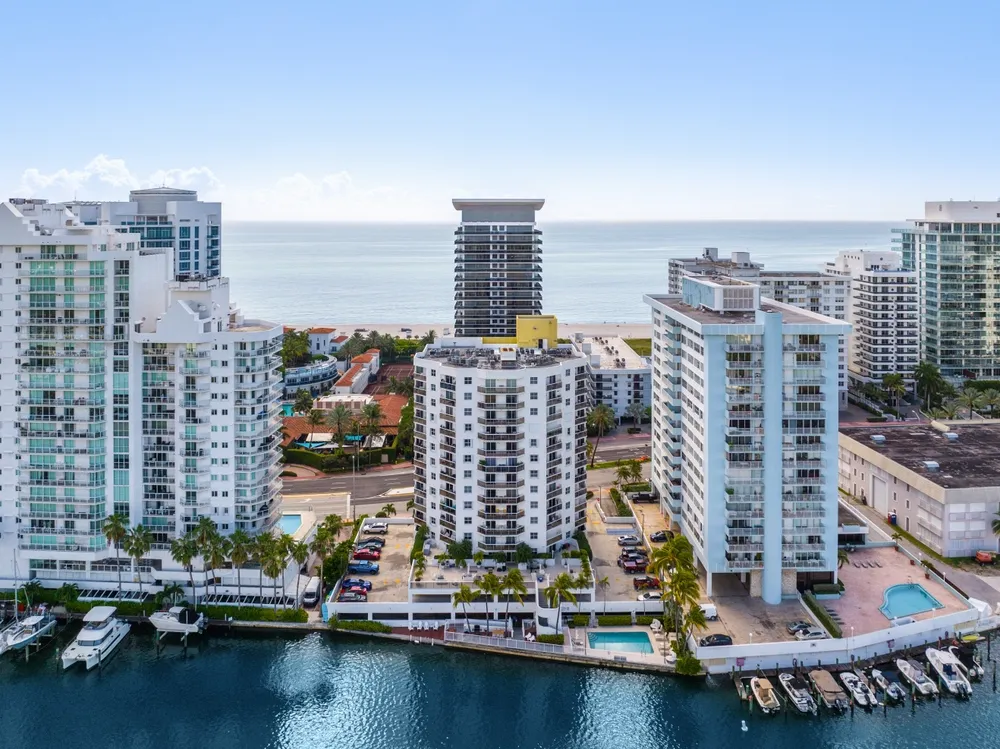


Special assessments, rising HOA fees, and reserve shortfalls have created a buyer’s market in Miami condos – and one demographic is quietly positioned to exploit it.
Post-Surfside safety legislation, rising insurance costs, and an aging building stock have driven up ongoing ownership costs across Miami’s condo market, widening the gap between condo and single-family transaction dynamics. David Lovern, a realtor at Lifestyle International Realty with over two decades of experience in the Miami area, says condo sellers – particularly in Miami Beach – are struggling to hold their asking prices as buyers grow wary of unpredictable costs. At the same time, single-family homeowners looking to downsize into condos may be sitting on more negotiating leverage than they realize.
New Friction Points Emerge
Lovern describes the condo market as “a different animal altogether,” citing a cluster of cost pressures that have made buyers more hesitant than in prior cycles. Special assessments on older buildings, inadequate HOA reserves, and HOA fees that spike without warning are now routine concerns in buyer conversations.
“There is a lot more friction in the condo market compared to the single-family housing market,” Lovern says, “dealing with special assessments and older buildings, dealing with adequate reserves in the association, or just increasing HOA fees that are really unforeseeable for a lot of buyers.”
These concerns are showing up in sales activity. Lovern says he has been working with condo sellers in Miami Beach who have listed their properties but cannot attract offers at their target prices. The friction isn’t just slowing deals – it’s forcing sellers to recalibrate expectations downward, sometimes significantly.
The Downsizer Arbitrage
The same market conditions that are creating pain for condo sellers are creating an opportunity for a specific type of buyer: single-family homeowners who want to downsize. These sellers may accept a modest reduction on their own home sale, but Lovern argues they can more than recover that difference on the purchase side.
A single-family seller accepting a slight discount in a slower market can offset that loss by aggressively negotiating on a condo purchase, where sellers are under pressure. “Any perceived loss that they would have in a reduced price for their house, they can quickly make that up with the discount they get when buying a condo,” Lovern says.
He is advising these clients that this is the right time to act. “As a buyer, they have a lot more leverage – negotiating power with these condominium sellers actually to get the price that they want,” Lovern says.
This kind of strategy of taking advantage of price gaps between two markets is rarely discussed in broad market commentary, which tends to treat buyer and seller dynamics as uniform across property types. In Miami, the condo and single-family markets are operating under meaningfully different supply and demand pressures – and understanding the gap between them is where real financial advantage lies for the right buyer profile.
Rental Restrictions Add Complexity
Cost pressures aren’t the only deterrent. HOA rental restrictions are compounding the problem for buyers who want flexibility, particularly investors. Lovern describes working on a condo listing in Lauder Hill where rental restrictions have created friction with prospective buyers. “HOAs tend to present a lot more friction in regards to buyers wanting to commit,” he says, noting that overly restrictive terms can deter buyers even when the property itself is attractive.
Lovern acknowledges the rationale: associations want stable communities rather than rotating rental populations, but says the effect is to shrink the pool of buyers. For sellers in buildings with tight rental restrictions, this is an additional headwind on top of the assessment and fee concerns already weighing on the market.
Evaluating the Full Picture
For buyers and sellers navigating these conditions, the gap between list price and true cost of ownership has widened considerably. Lovern’s approach involves helping clients on both sides understand that gap before making decisions. For sellers, that means adjusting price expectations to reflect current buyer hesitancy. For single-family owners considering a move into a condo, it means recognizing the current environment as a window of opportunity.
Lovern’s construction management background informs his evaluation of older condo buildings, giving him a practical lens for assessing which special assessments are likely and which properties carry hidden cost risks. That kind of due diligence, he suggests, is increasingly essential in today’s condo market.
What Comes Next
As Miami’s condo market continues to absorb the effects of post-Surfside legislation, rising insurance costs, and aging building stock, the dynamics Lovern describes may persist or deepen. Whether other agents and their clients begin to recognize the downsizer opportunity at scale could shape how quickly condo inventory moves and at what price.
For now, the arbitrage remains available to those willing to act on both sides of the transaction simultaneously, accepting modest concessions on a home sale in exchange for sharper leverage on a condo purchase.
About the Expert: David Lovern is a Realtor with Lifestyle International Realty, serving the Miami market with prior experience spanning nearly 15 years in construction management before he transitioned into real estate.
This article is intended for informational purposes only and does not constitute legal, financial, or investment advice. The views and opinions expressed herein reflect those of the individuals quoted and do not represent an endorsement of any company, product, or service mentioned. Readers should conduct their own due diligence and consult qualified professionals before making any investment decisions.