
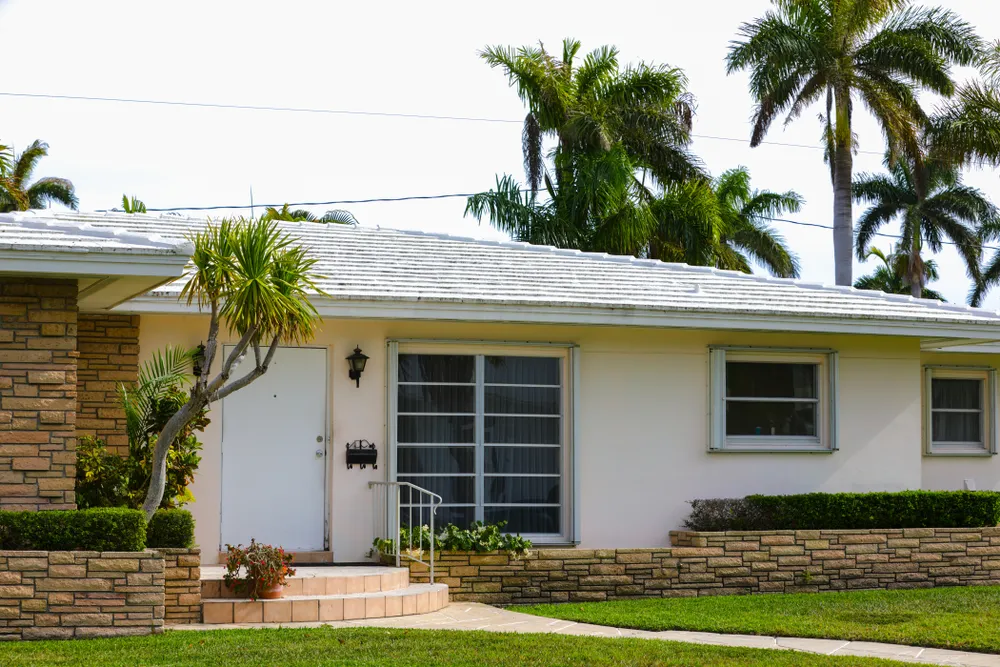


Older, centrally located Miami neighborhoods are drawing renewed buyer interest as investors recognize an opportunity that established luxury markets no longer provide.
For years, Miami luxury investment has centered on waterfront properties, branded high-rise condominiums, and established enclaves like Coral Gables and Pinecrest. But a parallel opportunity has been developing in neighborhoods most luxury investors have historically overlooked. Areas like Shenandoah and Silver Bluff – older residential pockets between Brickell, Coral Gables, and Coconut Grove – are now showing strong activity as buyers recognize that urban proximity and single-family living can still be acquired at a relative discount, even as prices have already begun to climb.
Monica Betancourt, Founder and Team Leader of the Monica Betancourt Group at Coldwell Banker Realty, has been tracking this activity firsthand. Rising prices in Miami’s established luxury neighborhoods, driven by the pandemic-era surge that brought record-level demand, have pushed capital toward areas where appreciation is still in earlier stages – making this a timely window for investors watching Miami’s next wave of neighborhood growth.
Why the Location Wins
Shenandoah and Silver Bluff are not new neighborhoods. They are, by Miami standards, among the more historically stable residential areas – characterized by smaller lots, older homes, and long-term residents. What has changed is the buyer profile now discovering them.
“These are traditionally old Miami neighborhoods that have been there, stable forever,” Betancourt says. “People have rediscovered them.”
A straightforward location calculation drives the interest. Both neighborhoods are in proximity to Brickell – Miami’s primary financial district – as well as downtown Miami, Coconut Grove, and Coral Gables. They also offer access to the Metrorail, Miami-Dade’s rapid transit line, which connects residents to major employment centers without requiring a car.
For buyers who want single-family living without the premium pricing of Coral Gables or Pinecrest, the combination of location and relative affordability is becoming harder to find as Miami’s urban core densifies. “You’re really in the center of all activity,” Betancourt says.
The Renovation Opportunity
Beyond owner-occupier demand, these neighborhoods present a legitimate opportunity for buyers willing to execute a renovation strategy. Older homes in Shenandoah and Silver Bluff can be acquired and updated, with the total cost basis still below that of comparable properties in more established luxury markets.
Betancourt describes the trajectory as moving from overlooked residential pocket to recognized luxury neighborhood – a pattern not without precedent in Miami. Coconut Grove and parts of the Upper East Side followed similar paths over the past two decades, with early buyers capturing significant appreciation as neighborhood profiles changed. Her suggestion that Shenandoah and Silver Bluff are on a comparable path reflects current buyer behavior rather than a guaranteed outcome. Still, the demand signals she observes are consistent with early-stage gentrification dynamics.
“Those neighborhoods are showing a lot of activity, and they’re not in the ultra-luxury market, but one day they will be,” Betancourt says. “It’s a great opportunity for people that want to buy and invest in real estate in Miami.”
Prices have already moved. Betancourt notes that values have risen over the past couple of years as more buyers have discovered the area, but single-family homes remain more affordable relative to surrounding neighborhoods. The window for lower entry pricing may be narrowing, which is part of what is driving current activity.
What It Means Now
The emergence of Shenandoah and Silver Bluff as active investment targets reflects how sophisticated buyers are now approaching Miami. Record-level pricing in established luxury enclaves has made traditional entry points less accessible, redirecting capital toward neighborhoods where the appreciation story is still developing.
Betancourt’s investment framework for Miami luxury remains anchored in waterfront property and branded pre-construction condominiums for buyers with larger capital allocations. For those seeking pre-construction opportunities, she argues that buying into a well-credentialed development and holding through completion remains a reliable strategy. “If you bought pre-construction and your goal is to sell, you’re going to make money, because people want to keep living here,” she says.
But for buyers whose budgets or risk tolerance do not align with ultra-luxury waterfront or high-rise investments, the emerging neighborhood thesis offers a different kind of upside – one grounded in urban proximity, single-family demand, and Miami’s continued population and economic growth.
Whether these areas ultimately follow the trajectory of Miami’s established luxury enclaves depends on continued urban investment, infrastructure development, and sustained buyer demand. But the early indicators – rising prices, new buyer profiles, and consistent transaction activity – suggest that for investors willing to look beyond Miami’s marquee addresses, the remaining accessible entry points are concentrated in neighborhoods like these. The question is less whether the demand is real and more how long the pricing gap persists.
About the Expert: Monica Betancourt is Founder and Team Leader of the Monica Betancourt Group at Coldwell Banker Realty, serving Miami’s luxury residential market. She speaks Spanish and Portuguese and works extensively with international and domestic relocation buyers.
This article is intended for informational purposes only and does not constitute legal, financial, or investment advice. The views and opinions expressed herein reflect those of the individuals quoted and do not represent an endorsement of any company, product, or service mentioned. Readers should conduct their own due diligence and consult qualified professionals before making any investment decisions.