
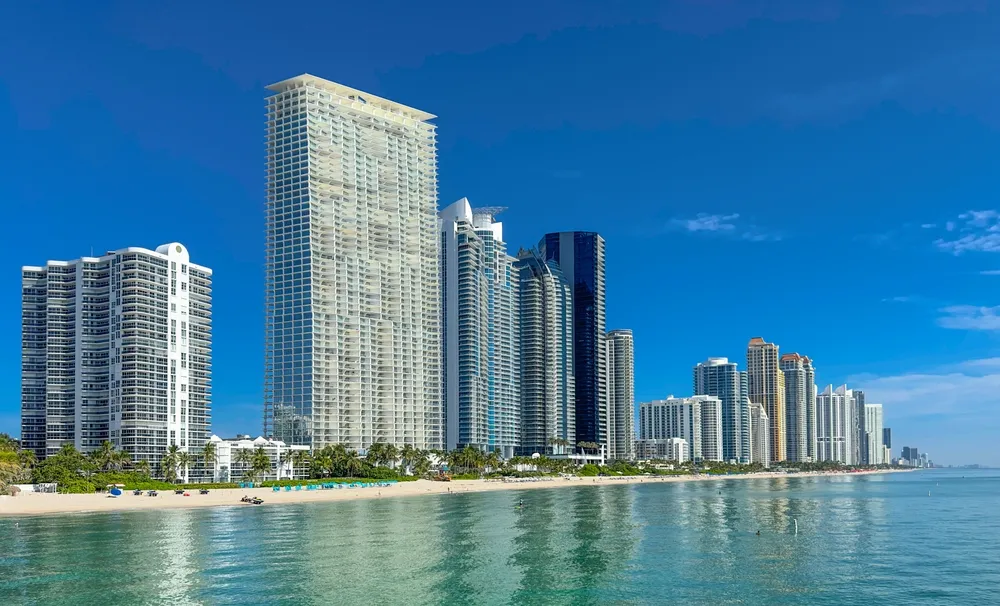


Miami Beach’s condo market has always sold on views and finishes, with waterfront units commanding a premium simply for their location. That equation is now shifting, as buyers weigh a building’s paperwork as carefully as its penthouse.
In 2021, the collapse of Champlain Towers South in Surfside, Florida, killed 98 people and forced the state to rewrite its rules for condo buildings. Florida now requires condo associations to inspect aging buildings and maintain sufficient reserves for future repairs. In Miami Beach’s luxury market, buyers have taken notice, and a building’s finances are no longer an afterthought.
Different Questions From Buyers
The conversations Elisa Da Silva, founder, CEO, and global real estate advisor at The Real Deal Agency, has with luxury condo buyers have changed. Buyers once asked mainly about views, finishes, and price per square foot. Now they want to know how much money a building has set aside for repairs, whether it has completed its required structural inspections, and whether the association managing it is financially sound.
“Buyers are asking about the condo reserves and about the healthy financials of the associations,” Da Silva says.
She traces this shift to the rules that followed the Surfside collapse. Those rules require condo associations to inspect buildings at certain ages and keep enough money in reserve for repairs, and they have revealed serious financial shortfalls in older buildings across South Florida.
Finances Now Shape Price
As a result, a building’s financial health now directly affects how buyers judge its value and negotiate offers. A building that hasn’t set aside enough money for repairs, or hasn’t completed its required inspections, carries hidden risk, whether that means a large bill down the road or action from regulators. Buyers are increasingly unwilling to take on that risk without a lower price.
“You cannot just bring your buyers to a property that looks beautiful,” she says. “You have to really study the product itself, because the clients are more aware, and they are doing more intelligent purchases.”
For sellers and their agents, this means more work before a property goes on the market. Buildings with clear paperwork, completed inspections, and healthy finances tend to sell faster and for more. Buildings without that paperwork often see buyers walk away or ask for a lower price to cover the unknown risk.
Waterfront Buildings Draw Scrutiny
The buildings facing the closest look from buyers are often in the best locations. Waterfront land in Miami Beach is limited, which keeps prices rising over time, but many of the buildings closest to the water are also among the oldest, and most likely to be dealing with required inspections and repair costs they’ve put off.
Da Silva still believes that being near the water is the strongest long-term value in this market, but only if the building itself is in good shape. “Even though you’re getting an older building, you have to check for recertifications, you have to check who is managing the property, for them to have a healthy product,” she says.
That creates two very different groups of waterfront buildings: those that have kept up with required inspections and repairs, and those that haven’t. Da Silva argues that buyers who can tell the difference are the ones who benefit most, rather than inheriting someone else’s deferred problems.
What Comes Next
This level of scrutiny is no longer confined to a handful of cautious buyers. It’s becoming the norm across Miami’s luxury condo market, and advisors who can’t speak to a building’s inspection status or reserve funding risk losing deals to those who can.
That shift is changing how deals come together. Financial and structural questions that once came up late in negotiations, if at all, are now settled before a buyer ever tours a unit, reshaping the pace and terms of how luxury condos in Miami Beach change hands.
For buyers, the message is simple: a well-located unit in a building with money troubles carries risks that photos and price-per-square-foot numbers won’t show. Extra fees charged to cover unexpected repairs, sometimes in the hundreds of thousands or even millions of dollars, aren’t unusual in buildings that have put off maintenance for years. For sellers, buildings that can show they’re in good financial and structural shape tend to hold their value better than those still catching up.
The rules that followed the Surfside collapse have made a building’s finances just as visible, and just as important, as the condition of the unit itself. In Miami Beach’s luxury condo market, that shift is already changing which buildings attract buyers, and which ones struggle to.
About the Expert: Elisa Da Silva is the founder and CEO of The Real Deal Agency, working with high-net-worth buyers and investors in the South Beach and Miami Beach luxury real estate market.
This article is intended for informational purposes only and does not constitute legal, financial, or investment advice. The views and opinions expressed herein reflect those of the individuals quoted and do not represent an endorsement of any company, product, or service mentioned. Readers should conduct their own due diligence and consult qualified professionals before making any investment decisions.