
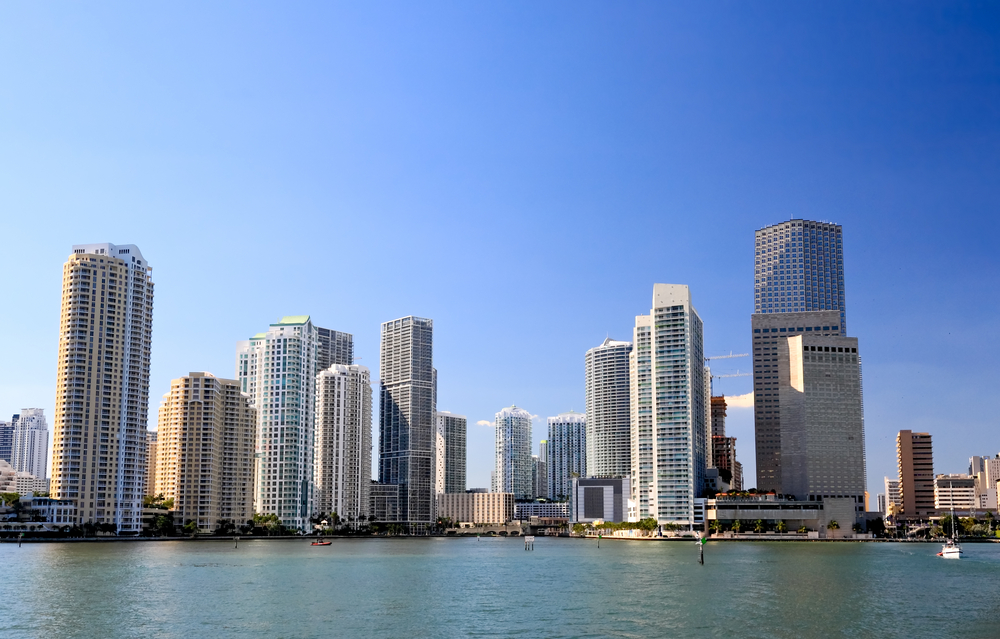


Active foreclosure volume in Miami today is a fraction of what it was during the last housing crisis, according to a broker who tracks the data firsthand – and that gap matters for how investors and buyers should interpret the current slowdown.
As anxiety over rising insurance costs, elevated interest rates, and softening prices fuels comparisons to 2007, one metric that rarely lies – foreclosure volume – is telling a very different story. The Miami market is undeniably under pressure – but pressure and structural failure are not the same thing, and understanding the difference could be the most important decision a buyer or investor makes this year.
The Collapse Narrative
Miami’s residential market is softer than it was two years ago. Inventory is elevated, sellers are offering concessions, rentals are sitting for six or seven months in communities where they used to lease in weeks, and buyers have negotiating leverage that was unavailable during the pandemic cycle. For those who lived through 2007, the pattern can feel familiar – and the instinct to draw comparisons is understandable.
But according to Javier Zepeda, a Miami-based realtor at Radius Realty Group LLC with nearly 20 years of experience, that comparison is not supported by the data that matters most. His basis for that view is not sentiment. It is foreclosure volume – a metric he tracks directly because he actively purchases distressed properties through the foreclosure process.
“People think the market is going to collapse to the levels you saw in 2007, and I don’t think that’s the story this time around,” Zepeda says.
The Foreclosure Numbers
Zepeda’s vantage point on foreclosure activity is more granular than most. As a buyer in the foreclosure market, he monitors daily listings and has done so across multiple cycles. The contrast between current conditions and 2007, in his account, is stark.
In 2007, a single day’s foreclosure listings in Miami could reach 200 to 300 properties. Today, Zepeda says the daily volume sits in the range of 15 to 20 – consistent with what he characterizes as a normal, functioning market rather than a distressed one. “It’s not even close,” he says. “Before, I used to see two, three hundred in a single day.”
That is a difference of roughly an order of magnitude – and it carries significant weight. Foreclosure volume is a lagging but highly reliable indicator of structural distress in a housing market. High foreclosure rates in 2007 reflected a combination of predatory lending, negative equity on a large scale, and borrowers who were fundamentally unable to service their debt. The absence of comparable foreclosure activity today suggests the current slowdown is driven by different forces – affordability constraints, rate sensitivity, and cost pressures – rather than by the kind of systemic loan failure that defined the last crisis.
What’s Driving Demand
One factor distinguishing this cycle from previous downturns is the continued pull of international capital into South Florida. Latin American buyers and European investors, particularly from the UK, remain active in the market – drawn by Miami’s lifestyle appeal, cultural familiarity, and relative value compared to other global cities. That steady international demand provides a floor that did not exist in the same way during the 2007 collapse.
At the same time, new construction continues at a significant pace. From Brickell to Coral Gables, developers are filling virtually every available parcel with multifamily buildings and apartment complexes, reshaping the city’s supply landscape in ways that will influence pricing and absorption for years to come.
Headwinds vs. Collapse
Misreading the current market as a 2007 repeat carries a practical cost: buyers and investors may sit on the sidelines waiting for a collapse that the underlying data does not support.
The headwinds are real. Interest rates remain elevated, insurance costs have risen sharply, property taxes have increased, and the 40- and 50-year building certification requirements are creating financial uncertainty for condo owners across the city. But headwinds are not the same as structural failure, and conflating the two leads to poor decision-making.
“There are a lot of moving parts affecting the market right now, but not to the level we saw in 2007,” Zepeda says.
The Opportunity Window
For those willing to look past the noise, the current environment presents conditions not available since before the pandemic. Sellers are motivated, concessions are on the table, and prices are softer – without the systemic distress that defined 2007.
Investors who previously settled for five to six percent returns on typical rental properties are now finding room to negotiate terms that were simply unavailable during the peak cycle. Buyers are coming in with the upper hand, with sellers in some cases covering closing costs – something that was virtually unheard of in South Florida during the last few years.
That said, selectivity still matters. The condo market carries additional risk tied to 40- and 50-year building certification requirements, which can trigger special assessments running into the hundreds of thousands of dollars for individual unit owners. For investors evaluating condo acquisitions, verifying certification status is now a baseline due diligence step.
Zepeda also points to the anticipated appointment of a new Federal Reserve chair as a potential catalyst for rate reductions that could further stimulate buyer activity – though whether that materializes on any near-term timeline remains to be seen.
On the long term, Miami’s fundamentals remain intact. The city has historically recovered from corrections, and nearly two decades of market experience suggests that investors who buy into weakness have consistently been rewarded. That is not a guarantee, but it is a pattern the data has supported through multiple cycles – and one that the current foreclosure numbers do nothing to contradict.
What Data Shows
The underlying argument – that foreclosure data does not support a 2007 comparison – is grounded in observable market metrics rather than optimism alone. But it comes with important caveats. Zepeda’s figures are based on his own daily monitoring rather than published institutional data, and conditions could worsen if insurance costs or certification expenses push more condo owners into default.
Still, the gap between 15–20 daily foreclosure listings and 200–300 is wide enough to suggest that the current cycle is operating under fundamentally different conditions. For market participants trying to distinguish between a painful correction and a systemic breakdown, foreclosure volume offers one of the clearest available signals – and right now, it points away from crisis.
About the Expert: Javier Zepeda is a broker at Radius Realty Group LLC, covering the South Florida residential and investment property market with nearly two decades of experience. His practice spans sales, investment properties, and property management across the Miami area.
This article is intended for informational purposes only and does not constitute legal, financial, or investment advice. The views and opinions expressed herein reflect those of the individuals quoted and do not represent an endorsement of any company, product, or service mentioned. Readers should conduct their own due diligence and consult qualified professionals before making any investment decisions.